How Market Research Uncovers Hidden Opportunities
Author Gravatar is shown here. Clickable link to Author page.

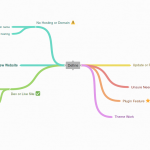
Market research uncovers missed profitable opportunities by transforming raw consumer data into actionable insights, revealing unmet needs, niche markets, and emerging trends. It identifies gaps by analyzing customer behavior, pain points, and competitor weaknesses, allowing businesses to pivot or innovate before competitors do. [1, 2, 3, 4, 5]
How Market Research Uncovers Hidden Opportunities:
- Identifying Unmet Needs: Qualitative research—such as focus groups, interviews, and observation—reveals the “why” behind customer behavior, highlighting problems customers have that no current product solves.
- Discovering Niche Markets: Detailed analysis of demographics and purchasing behaviors can reveal specialized, underserved segments that are often overlooked by larger, mainstream competitors.
- Spotting Trend Shifts Early: By analyzing data, companies can identify emerging trends, such as shifting preferences towards sustainability or digital-first solutions, before they become mainstream.
- Analyzing Competitive Gaps: Research helps map the competitor landscape, identifying segments they neglect or areas where their customers are dissatisfied, allowing for targeted entry.
- Leveraging Disruptive Innovation: Research can uncover opportunities for “low-end disruption,” where a company enters the market with a lower-cost, simpler offering that incumbents ignore, eventually dominating the sector.
- Monitoring Complementary Products: Researching what other products your customers use (e.g., studying bread trends if you sell butter) reveals natural opportunities for expansion or bundling. [1, 2, 4, 5, 6, 7, 8, 9]
By moving beyond basic metrics to understand deep customer emotions and behaviors, companies can gain a 360-degree view that reveals high-potential opportunities, say Catalant and insight2profit. [3, 10]
Market research uncovers profitable opportunities by moving beyond surface-level data to identify unmet needs, underserved segments, and emerging behavioral shifts that competitors often overlook. While most businesses focus on existing demand, strategic research looks for “white spaces”—gaps in the market where high consumer importance meets low satisfaction with current solutions. [1, 2, 3, 4]
Strategies to Reveal Hidden Opportunities
- Gap Analysis via Competitor Shortcomings: Instead of just tracking what competitors do well, research their weaknesses. Analyzing negative reviews and customer complaints about industry leaders can reveal specific pain points that current products fail to address, such as missing features or poor service quality.
- Identifying “Jobs-to-Be-Done”: This framework focuses on the underlying problem a customer is trying to solve rather than just the product they buy. For example, people don’t just want a drill; they want a hole in the wall. Identifying more efficient, cheaper, or more sustainable ways to “do the job” can disrupt established markets.
- Psychographic and Behavioral Segmentation: Beyond basic demographics (age/location), psychographic research examines lifestyles, values, and motivations. This allows brands to find niche markets, such as eco-conscious consumers in a specific industry or “digital nomads” with hyper-specific needs.
- Social Media Listening & Forum Analysis: Active communities on platforms like Reddit, Quora, or industry-specific forums are “goldmines” for untapped needs. Researching these areas helps identify emerging trends and “sticky” problems that haven’t yet been commoditized by large corporations.
- Analyzing Adjacent or Tangential Markets: Profitable opportunities often lie in products that complement existing ones. For instance, a rise in pasta sales may signal an opportunity for a high-quality, niche tomato sauce. [1, 5, 6, 7, 8, 9, 10, 11, 12]
Notable Examples of Market Research in Action
| Company [13, 14, 15] | Opportunity Discovered | Research Method used |
|---|---|---|
| Netflix | Identified price sensitivity in India. | Extensive surveys and behavioral analytics on viewing habits. |
| LEGO | Discovered that 90% of users were male and girls played differently. | Large-scale study of girls’ playing habits and preferences. |
| Tesla | Found that consumers wanted sustainability but feared charging infrastructure. | Sentiment analysis around energy efficiency and battery life. |
| Starbucks | Noticed high demand for dairy-free alternatives like oat milk. | Digital consumer feedback via their “My Starbucks Idea” platform. |
| Pivoted from a cluttered check-in app (Burbn) to a simple photo-sharing app. | Competitive re-evaluation showing the check-in market was overrun. |
Warning: When Research Fails
Even large companies fail if they ignore the emotional or cultural context of their data. [16]
- New Coke: Coca-Cola conducted 200,000 blind taste tests where people preferred the new flavor, but the research failed to account for the deep emotional connection customers had with the original brand identity.
- Kodak: Despite inventing the digital camera in the 1970s, they ignored their own research on digital trends to protect their existing film business, leading to their eventual decline. [17, 18, 19, 20]
Would you like to explore a step-by-step guide on how to conduct a competitor gap analysis for your specific industry?
[1] https://www.globalsurvey.gs
[3] https://www.pragmaticinstitute.com
[5] https://www.clearlyacquired.com
[6] https://www.comparables.ai
[8] https://strategy-scaling.com
[10] https://www.euromonitor.com
[13] https://bizibl.com
[14] https://chernoffnewman.com
[1] https://luthresearch.com/glossary/can-market-research-identify-new-opportunities/
[6] https://online.hbs.edu/blog/post/how-to-identify-business-opportunities
[7] https://www.sba.gov/business-guide/plan-your-business/market-research-competitive-analysis
[8] https://www.euromonitor.com/article/8-ways-identify-market-opportunities-business-growth
[9] https://kadence.com/knowledge/identifying-new-market-opportunities-with-market-research/
[10] https://www.insight2profit.com/identify-growth-opportunities-through-data-driven-market-research/

Write a Reply or Comment